
Where Physical Therapy Meets Yoga Therapy and Pain Science
By: Embodia Team ∙ Estimated reading time: 5 minutes
By: Embodia Team ∙ Estimated reading time: 5 minutes
When One Discipline Isn't Enough
Movement rarely breaks down for one reason. A shoulder that won't clear 90 degrees might be guarding an old injury or an old fear. A patient who "can't" do a squat might simply have never been shown how good it can feel to try. If you've practiced long enough, you already know the body doesn't separate biomechanics from belief, or breath from bracing. Treating it like it does is often where a plan stalls.
That's the territory physical therapist and yoga therapist Sherry Brourman has spent more than 50 years exploring, and it's the foundation of a new seven-part live webinar series launching this fall on Embodia.
Three Disciplines, One Framework
Physical therapy provides the clinical reasoning and structural foundation most of us trained for. Yoga therapy adds a deeper practice of bodily awareness — teaching us to notice, not just assess. And pain science gives us the language to ask better questions: the kind that explore a patient's beliefs and fears with curiosity instead of putting them on the defensive.
Brourman's live series argues these aren't three separate toolkits to switch between depending on the patient in front of you. They're one integrated way of working with a whole person, and that's the thread running through all six chapters of the series.
About the Book
The series is built chapter by chapter around Brourman's book, From Bodily Knowledge to Intuitive Movement: Where Physical Therapy, Yoga Therapy and Pain Science Meet, which uses sensation as a personal roadmap toward the kind of bodily awareness that's hard to teach directly but easy to recognize once a patient finds it. As Brourman puts it, "learning to feel movement is as subtle as learning to taste water."
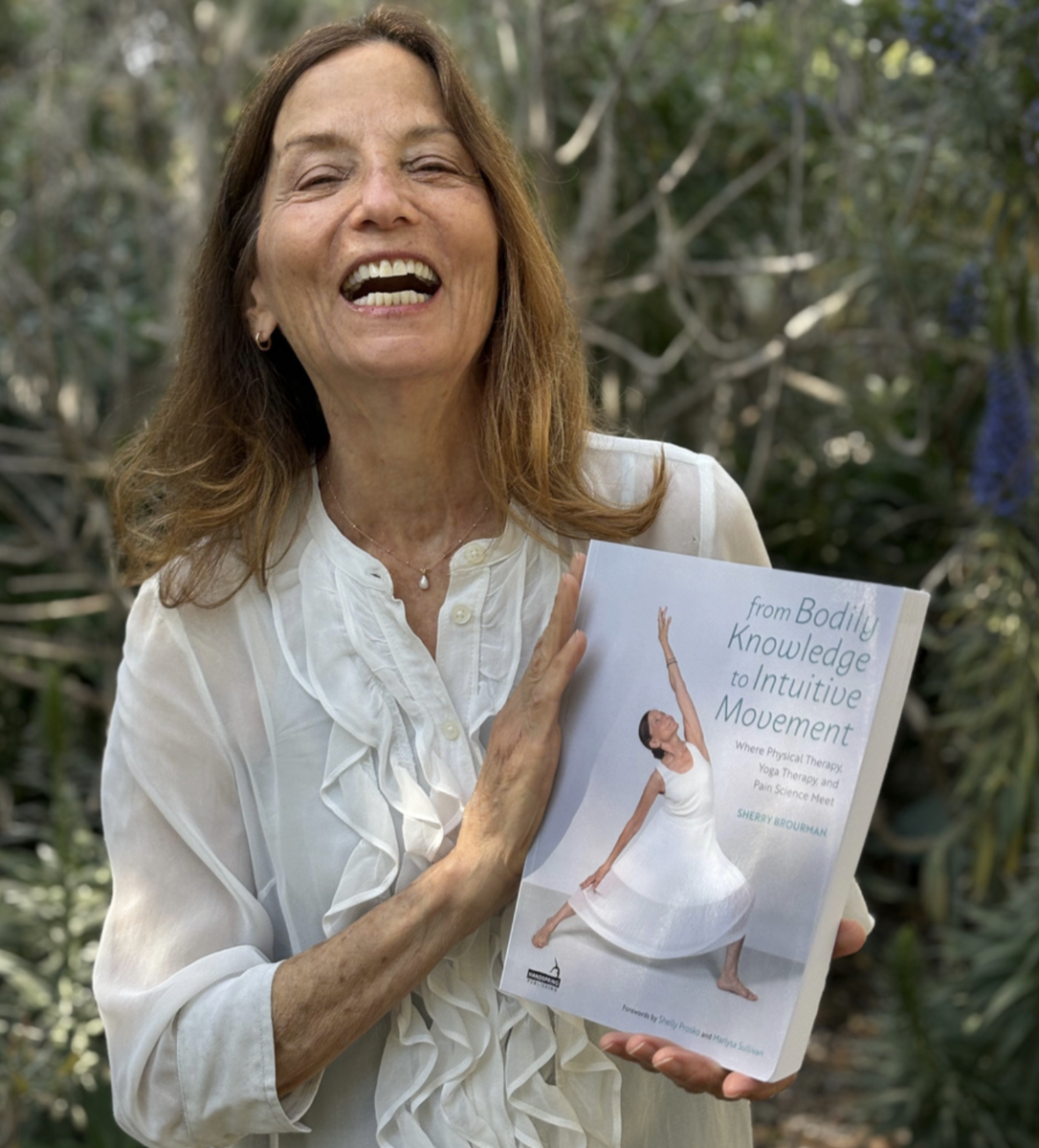
Physiotherapist and pain science educator Neil Pearson, co-author/editor of Yoga and Science in Pain Care, describes the book as guiding readers to see that "exploring all of our complexity is a path to recovery and to self-realization."
We'd recommend having a copy on hand before the series begins, since each session builds directly from its chapter. You can find it on Amazon, through Singing Dragon, or learn more on Sherry's website.
A Free Session, Then Six Chapters
The series opens with a free introductory session on October 2, 2026, a chance to meet Sherry, get a feel for the framework, and decide if the full series is right for your practice.
From there, six chapter sessions run monthly through spring 2027:
| Chapter | What it covers | Date |
| 1 | How belief systems and nervous system signals shape movement together — and where to start when a patient doesn't know where to start | Nov 6, 2026 |
| 2 | Turning your own experience of pain into a teaching tool, grounded in current pain science | Dec 4, 2026 |
| 3 | The mechanics of gravity, kinetic chains, and Brourman's Energetic Symmetry framework | Jan 8, 2027 |
| 4 | Reading gait and yoga posture as the same story, told two ways | Feb 5, 2027 |
| 5 | A five-lens, whole-body assessment approach, from the feet to the head | Mar 5, 2027 |
| 6 | Twelve foundational yoga postures as movement templates you can apply far beyond the mat | Apr 2, 2027 |
Each session includes live Q&A, downloadable resources, and CE credit for eligible U.S. PTs and PTAs. Full registration details go live in September.
Save your Seat
Registration for the full six-chapter series, alongside the free introductory session, is now open.
Register for the free introduction→
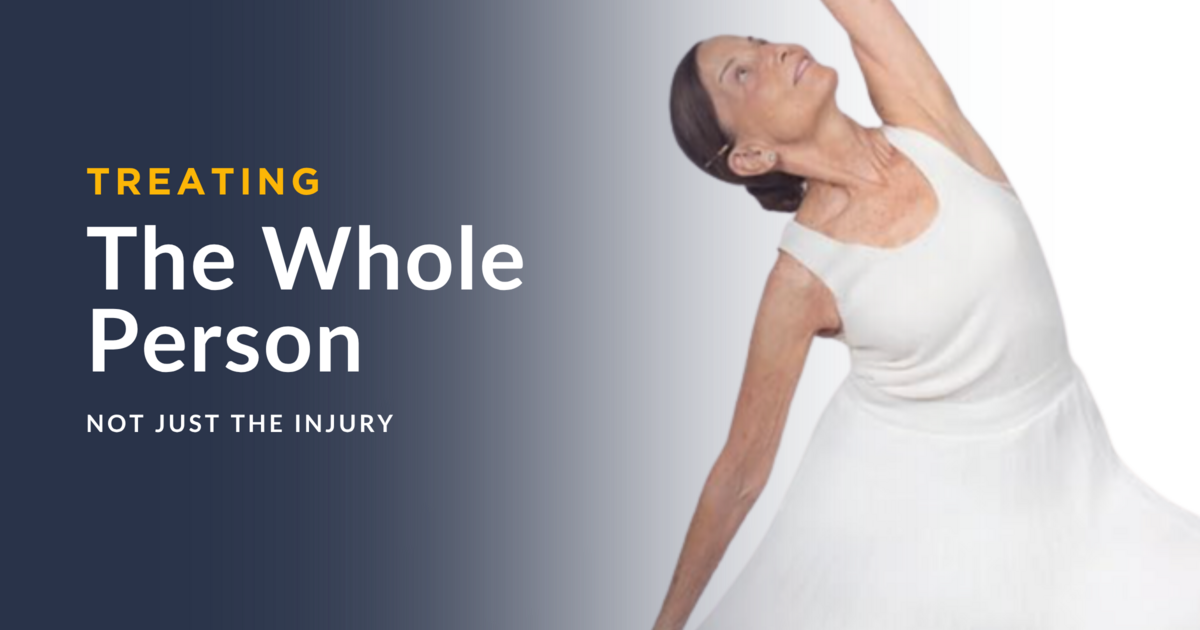
Whether you come from physical therapy, yoga therapy, or somewhere in between, this series offers a shared language for treating the whole person, not just the injury in front of you.
PT, C-IAYT