
Let's Talk Vestibular Closing Fireside Chat

Let's Talk Vestibular Closing Fireside Chat
This course includes
The instructors
Overview
Dizziness is one of the most common, and most complex, presentations in clinical practice. Differential diagnosis is rarely straightforward, and the path from assessment to effective treatment requires integrating vestibular, neurological, cardiovascular, and psychosocial frameworks into a coherent clinical picture. This closing session of the Let's Talk Vestibular series brings together four expert clinicians: Kregg Ochitwa, Carolyn Vandyken, Jules Poulin, and Sonia Vovan, for an in-depth, conversational fireside chat that synthesizes the core themes of the full series.
Rather than a formal lecture, this session is a candid clinical conversation: real questions, genuine disagreements, and practical wisdom drawn from decades of combined experience across physiotherapy, massage therapy, pain science, and vestibular rehabilitation. Viewers will leave with a stronger conceptual framework for approaching dizzy patients — and a clearer sense of when to treat, when to refer, and when to look beyond the inner ear.
Learning Objectives
By the end of this course, you will be able to:
- Apply a biopsychosocial framework to the differential diagnosis of dizziness, integrating vestibular, neurological, cardiovascular, and psychosocial contributing factors.
- Describe the clinical utility and limitations of the HINTS exam in distinguishing peripheral vestibular dysfunction from posterior stroke in acute vestibular syndrome presentations.
- Explain the role of TMJ dysfunction as a co-factor in dizziness and identify when cervicogenic or TMJ-related contributions warrant interdisciplinary referral.
- Recognize post-concussion dizziness as a functional sensory-motor integration disorder that may not present with identifiable structural lesions on imaging.
- Conduct a thorough, time-efficient vestibular history using structured screening approaches to guide clinical reasoning and therapeutic alliance.
- Identify clinical red flags and referral indicators that require escalation to otolaryngology, neurology, audiology, or other specialists.
- Reflect on the limitations of a purely biomedical approach to vestibular care, particularly in cases where no identifiable organic cause is found.
Audience
This course is designed for physiotherapists, physical therapists, massage therapists, and other allied health professionals who assess or treat patients with dizziness, balance disorders, or vestibular dysfunction. It is particularly well-suited to clinicians who attended one or more sessions of the Let's Talk Vestibular series and want to consolidate their learning through an integrative, expert-level discussion.
Practitioners new to vestibular rehabilitation will benefit from the clinical reasoning frameworks and assessment principles presented throughout. More experienced vestibular clinicians will find value in the nuanced discussion of biopsychosocial drivers, diagnostic complexity, and interdisciplinary collaboration, areas that are rarely covered with this level of depth and candour in traditional continuing education.
Why This Course Matters
Up to 80% of dizziness presentations have no clearly identifiable organic cause, yet clinical training often defaults to a biomedical model that assumes a structural lesion at the root of every symptom. For practitioners managing dizzy patients, this mismatch between training and clinical reality creates a gap: thorough tests come back normal, standard protocols don't apply, and patients leave without answers. This course addresses that gap directly.
The fireside chat format surfaces something formal lectures rarely do: the messiness of real clinical reasoning. Panelists disagree on nuance, share cases that didn't follow the textbook, and articulate the clinical thinking behind decisions that protocols can't fully capture. For practitioners who have felt underprepared when a dizzy patient doesn't fit a clean vestibular diagnosis, this session offers both a conceptual reframe and concrete clinical tools including the HINTS exam, structured history-taking frameworks, and biopsychosocial screening approaches.
Vestibular rehabilitation is increasingly recognized as a field that demands interdisciplinary fluency. A cervicogenic component, a TMJ co-factor, a concussion history, or an anxious nervous system can each complicate, or mimic, a classic vestibular presentation. This course helps practitioners hold all of that complexity, know when to dig deeper, and know when to refer.
The instructors
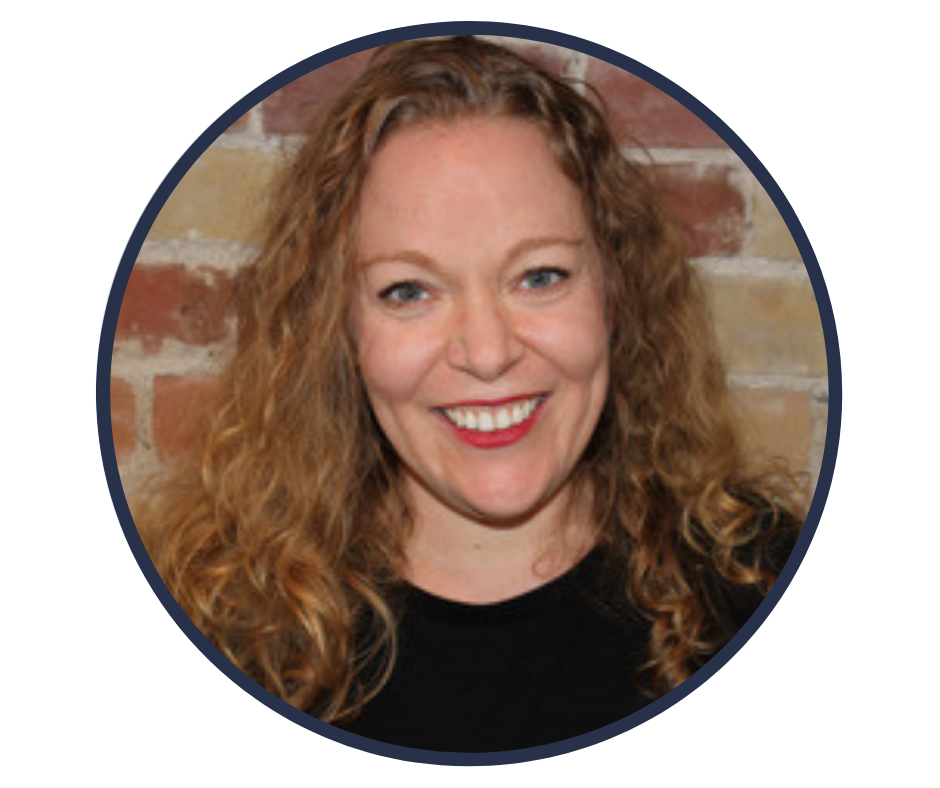
RMT
A Registered Massage Therapist since 2000, Jules Poulin has spent the last 12 years taking courses throughout North America as well as studying, researching and writing her own courses on TMJ Rehabilitation.
In 2018, she opened From the Neck Up: North America’s first and only massage clinic dedicated to the rehabilitation of the jaw, head, neck, voice, tongue and ears. With the advent of Covid and having a practice which consists of mostly intra-oral massage, Jules led her team through innovative ways to treat the tissues of the mouth while using PPE, all the while following Public Health and Ministry of Health recommendations ensuring both that patients and practitioners were safe during intra-oral treatments without compromising the integrity and efficacy of the treatments.
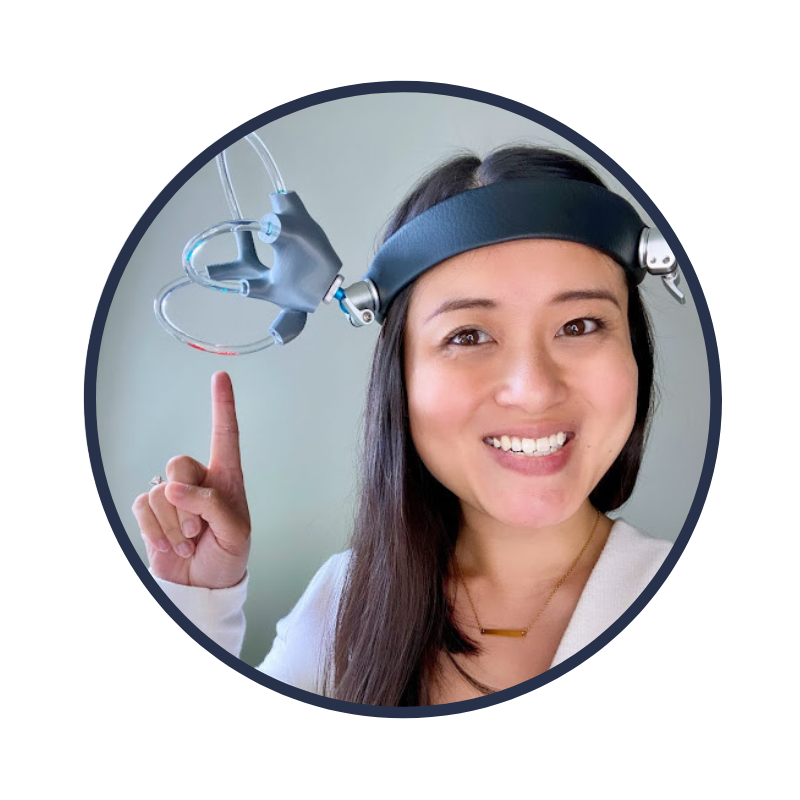
PT, BHSc, MScPT, PhD (Candidate)
Sonia Vovan is a registered physiotherapist and vestibular therapist with over a decade of clinical expertise in concussion management and vestibular rehabilitation. She is currently pursuing her PhD at York University, focusing on sex differences in post-concussion recovery.
Sonia is passionate about education and mentorship, regularly teaching and training healthcare professionals in vestibular rehabilitation and concussion care. She serves as Adjunct Lecturer at the University of Toronto's Department of Physical Therapy, where she teaches in the neurological unit and vestibular selective. She has delivered keynote presentations internationally and serves as an Executive Member of the Neurosciences Division of the Canadian Physiotherapy Association. Her expertise has been featured in CBC interviews and professional publications.
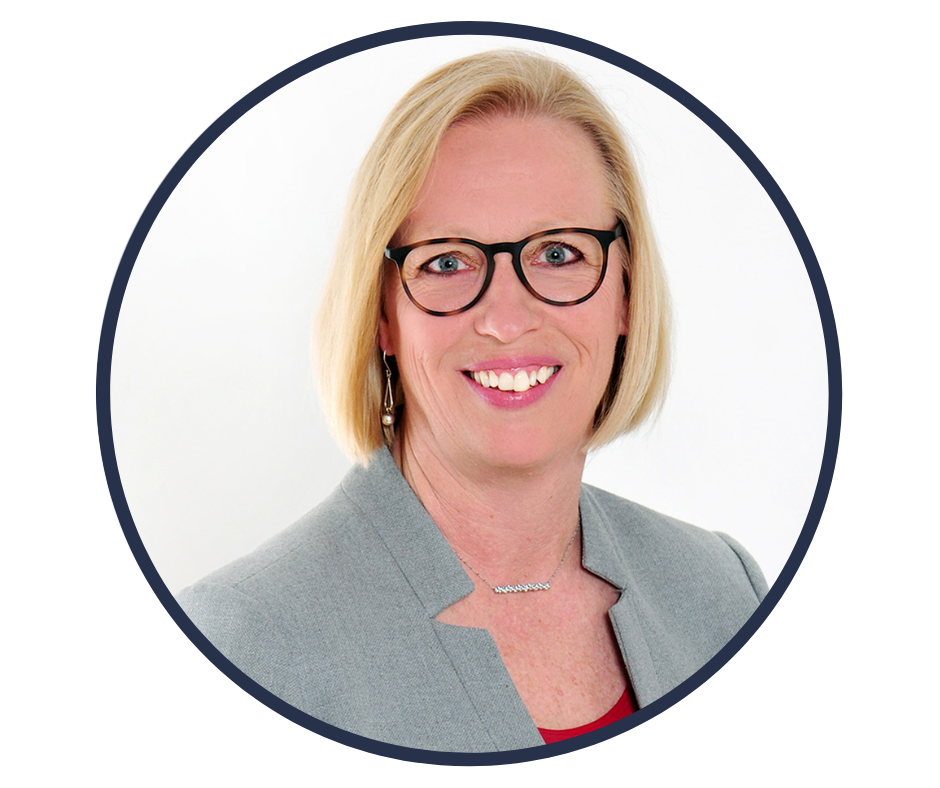
BHSc (PT), CredMDT, CCMA
Carolyn is the co-owner of Reframe Rehab, a teaching company engaged in breaking down the barriers internationally between pelvic health, orthopaedics and pain science. Carolyn has practiced in orthopaedics and pelvic health for the past 37 years. She is a McKenzie Credentialled physiotherapist (1999), certified in acupuncture (2002), and obtained a certificate in Cognitive Behavioural Therapy (CBT) in 2017.
Carolyn received the YWCA Women of Distinction award (2004) and the distinguished Education Award from the OPA (2015). Carolyn was recently awarded the Medal of Distinction from the Canadian Physiotherapy Association in 2021 for her work in pelvic health and pain science.
Carolyn has been heavily involved in post-graduate pelvic health education, research in lumbopelvic pain, speaking at numerous international conferences and writing books and chapters for the past twenty years in pelvic health, orthopaedics and pain science.

BScPT, CWCE, CredMDT
Kregg has been a registered physical therapist since 1995. Over the years, his caseload has evolved from exclusively orthopedic care to a blend of orthopedic and vestibular rehabilitation. With this background, he has established a strong reputation in concussion management, having treated athletes in the NFL, CFL, collegiate ranks, WHL, high school athletics, and the dedicated weekend warrior.
In 1998, he completed his first course in vestibular rehabilitation. In 2008, he fulfilled all requirements of the Vestibular Rehabilitation: A Competency-Based Course at Emory University in Atlanta, Georgia. Since then, he has pursued extensive continuing education throughout North America in orthopedics, traumatic brain injury, and vestibular therapy. In 2025, he earned the designation of Advanced Vestibular Physical Therapist (AVPT) through the University of Pittsburgh.
Given his commitment to ongoing education and evidence-based practice, Kregg has been invited to teach weekend courses and present at conferences throughout North America and Europe. He looks forward to sharing what he has learned over the years to help other clinicians achieve better outcomes in less time.
In 2010, Kregg founded North 49 Physical Therapy and the North 49 Balance & Dizziness Centre in his hometown of Saskatoon, Saskatchewan. What began as a single-clinician practice has grown to a team of six physical therapists, with more than half of the clinic’s caseload consisting of patients with dizziness and balance disorders. The clinic collaborates closely with a trusted network of consultants, including specialists in otolaryngology, neurology, neuro-ophthalmology, audiology, occupational therapy, psychology, and neuropsychology.
Too many people live with dizziness unnecessarily, and Kregg’s goal is to help change that.
Material included in this course
-
Fireside chat
-
Fireside chat discussion
-
Summary and Key Insights
-
Feedback
-
Knowledge Check
-
Course evaluation
How can I get this course for free?
Embodia Membership gives you access to a wide range of evidence-based courses, clinical tools, and resources all in one place. As a member, this course (and many others) is included at no additional cost, helping you save time and money while staying up-to-date in your practice.
If you’re not yet a member, non-members can still access the course for a one-time fee. Joining Embodia unlocks this course plus hundreds of hours of additional education and clinical resources, making membership the most convenient and cost-effective way to continue learning.
You can learn more about membership options available on the Embodia membership pricing page.
Is a certificate of completion included with this course?
Once you have completed the course, a certificate of completion (including learning hours and course information) will be generated. You can download this certificate at any time. To learn more about course certificates on Embodia please visit this guide.
This can be used for continuing education credits, depending on your professional college or association. If this course has been approved for CEUs in specific jurisdictions, it will be noted on the course page and CEU information may be added to your course certificate. Please read this guide for more information.
US PTs and PTAs: How many CEUs has this course been approved for?
This course has been approved for 1 CEUs (Continuing Education Units) for Physical Therapists and Physical Therapy Assistants in the US. Please see the FAQ 'Has this course been approved for CEUs (Continuing Education Units) for Physical Therapists and Physical Therapy Assistants in the US?' for a detailed list of the approved states. In order for your US jurisdiction information to appear on your course certificate, you must complete your jurisdiction information on your Embodia profile as per this guide.
Has this course been approved for CEUs (Continuing Education Units) for Physical Therapists and Physical Therapy Assistants in the US?
Yes, Embodia is a rule-approved CE provider of the PT Board of Florida (# 50-54793), a licensed CE sponsor of physical therapy continuing education by the Illinois Department of Financial & Professional Regulation (IDFPR #216.000415), an approved provider of continuing education by APTA Massachusetts, an approved provider of the Oklahoma Board of Medical Licensure & Supervision - Physical Therapy (#50-54793), and an approved provider of continuing education for Physical Therapists and Physical Therapist Assistants in California (CA) by CEUapproval.com, a recognized approval agency of the Physical Therapy Board of CA.
Courses approved by other state boards in the following jurisdictions are likely accepted for licensure credit based on the state regulation:
AL | AK | AR | CO | CT | DE | GA | HI | ID | IL | IN | IA | KS | KY | ME | MA | MI | MO | MT | NE | NH | NC | ND | OK | OR | PA | RI | SC | SD | UT | VT | VA | VI | WA | WI | WY
Please reach out to your state licensing board to confirm. If you have a specific question about CEU approval for this course in your state, please direct your inquiry to info@ceuapproval.com
The following states are not pre-approved: AZ, DC, LA, MD, MN, MS, NM, NV, NY, NJ, OH, TX, WV
Participants licensed in states not pre-approved may file for individual approval using the instructions on this document.