
The 10% Club: Endometriosis Matters in Low Back Pain

The 10% Club: Endometriosis Matters in Low Back Pain
This course includes
The instructors
Overview
Endometriosis affects approximately 10% of all people with a uterus, making it one of the most prevalent gynecological conditions in clinical practice. Yet it remains chronically under-identified, particularly in physiotherapy settings, where its most common symptoms (painful periods, pain with intercourse, and low back pain that worsens during menstruation) are frequently attributed to musculoskeletal causes alone. The result is that many patients spend years in care without their underlying condition being recognized or addressed.
This course is the second in the Weird and Wonderful Strategies that EVERY Physio Should Know to Effectively Treat LBP series, hosted by Carolyn Vandyken in collaboration with Embodia. In this installment, pelvic health physiotherapist Jill Mueller takes clinicians through the often-missed relationship between endometriosis and low back pain, and equips them with practical tools to screen for it and treat it from a whole-person, biopsychosocial framework. Individual courses in this series can be purchased separately, or you can register for the full series at a discount.
Learning Objectives
By the end of this course, participants will be able to:
- Describe the connection between low back pain and endometriosis, and explain why endometriosis is frequently misidentified as a musculoskeletal problem.
- Apply a sensitive, history-taking approach that screens for endometriosis in patients presenting with low back pain.
- Identify the dominant source of endometriosis-associated pain using a phenotype-informed assessment framework.
- Apply biopsychosocial treatment strategies for patients with endometriosis-associated low back pain, including pain reprocessing therapy, somato-cognitive therapy, and the 5 P's framework.
- Integrate a "working out and working in" approach that addresses both physical and nervous system contributors to pain.
Audience
This course is designed for physiotherapists and pelvic health clinicians who regularly treat patients with persistent low back pain and want to ensure they are not missing endometriosis as a contributing or driving factor. It is also relevant for pelvic OTs and any rehabilitation clinician working with people assigned female at birth who present with complex, multi-system pain.
No prior knowledge of endometriosis is required. This course is accessible to generalist physiotherapists as well as those with existing pelvic health experience.
Why This Course Matters
Low back pain and endometriosis share a clinical overlap that is easy to miss and costly to overlook. Patients with unidentified endometriosis often cycle through musculoskeletal treatment without meaningful improvement — not because the treatment is wrong, but because the full clinical picture is incomplete. By learning to recognize the symptom patterns that point toward endometriosis and adopting a biopsychosocial lens, clinicians can significantly change the trajectory of care for this population.
This course also addresses something that goes beyond assessment: how to treat. Drawing on current pain science, somato-cognitive therapy, and pain reprocessing approaches, Jill Mueller shows clinicians how to address the sensitized nervous system that underlies much of the pain in endometriosis — not just the tissue. For patients who have spent years feeling dismissed or misunderstood, this shift in clinical approach can be genuinely transformative.
The instructors
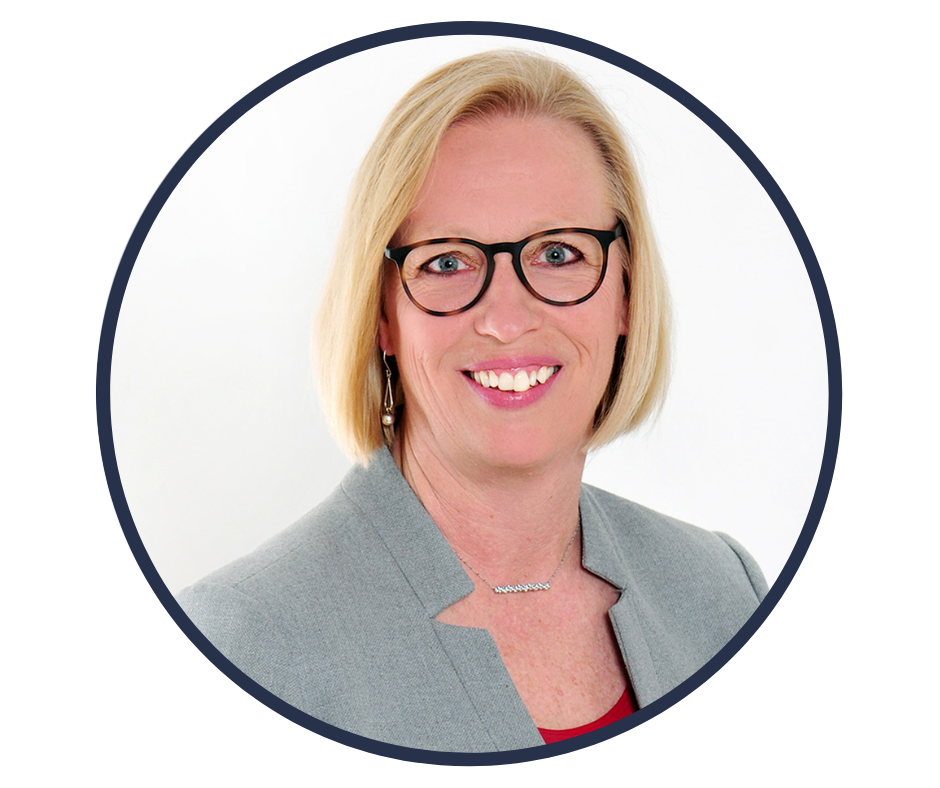
BHSc (PT), CredMDT, CCMA
Carolyn is the co-owner of Reframe Rehab, a teaching company engaged in breaking down the barriers internationally between pelvic health, orthopaedics and pain science. Carolyn has practiced in orthopaedics and pelvic health for the past 37 years. She is a McKenzie Credentialled physiotherapist (1999), certified in acupuncture (2002), and obtained a certificate in Cognitive Behavioural Therapy (CBT) in 2017.
Carolyn received the YWCA Women of Distinction award (2004) and the distinguished Education Award from the OPA (2015). Carolyn was recently awarded the Medal of Distinction from the Canadian Physiotherapy Association in 2021 for her work in pelvic health and pain science.
Carolyn has been heavily involved in post-graduate pelvic health education, research in lumbopelvic pain, speaking at numerous international conferences and writing books and chapters for the past twenty years in pelvic health, orthopaedics and pain science.
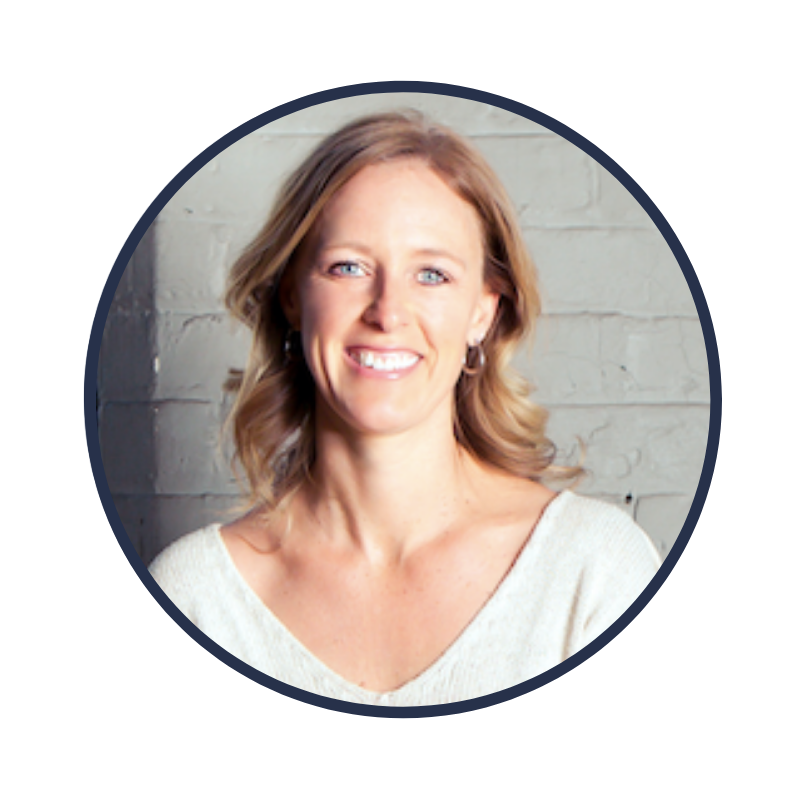
BKin, BHScPT (Pelvic Health)
Jill has been a physiotherapist since 2001, but her passion for pelvic health was born from personal experience. After years of struggling with period pain and fertility challenges due to Endometriosis, she shifted her focus to understanding and addressing the complexities of this condition. Through deep dives into pain science and Endometriosis research, Jill recognized a significant gap in education and practical support for those living with “endo.” Whether working one-on-one, leading group programs, or speaking internationally, she is dedicated to empowering people with pelvic health conditions and equipping healthcare practitioners with the knowledge needed to provide better care.
Jill is also a founding member and lead physiotherapist of Endometriosis360, an innovative interdisciplinary virtual group program designed to help individuals with Endometriosis. Together, psychology, dietitian, and physiotherapy integrate a biopsychosocial approach and evidence-based strategies to help improve people’s quality of life.
Material included in this course
-
Welcome and Resources
-
Welcome and Resources
-
The 10% Club: Endometriosis Matters in Low Back Pain
-
Case Study: Jane
-
From Staging to Phenotypes
-
Medical Program of Care for Patients with Endometriosis
-
Physiotherapy Treatment for Endometriosis
-
Working Out & Working In
-
Somato-Cognitive Therapy
-
Effect of Pain Reprocessing Therapy vs Placebo and Usual Care for Patients with LBP
-
The 5 P's
-
Conclusion
-
Questions
-
Quiz
-
What's Next
-
Feedback
Patient education included in this course
-
Understanding Endometriosis
I'd like to take this course, but English isn't my first language. Is it available in any other languages?
Yes, we have added Closed Captions to this course in French. You can preview what this is like by going to the Course Materials section and then watch the Free Preview lesson in the course.
Is a certificate of completion included with this course?
Once you have completed the course, a certificate of completion (including learning hours and course information) will be generated. You can download this certificate at any time. To learn more about course certificates on Embodia please visit this guide.
This can be used for continuing education credits, depending on your professional college or association. If this course has been approved for CEUs in specific jurisdictions, it will be noted on the course page and CEU information may be added to your course certificate. Please read this guide for more information.
How can I get this course for free?
Embodia Membership gives you access to a wide range of evidence-based courses, clinical tools, and resources all in one place. As a member, this course (and many others) is included at no additional cost, helping you save time and money while staying up-to-date in your practice.
If you’re not yet a member, non-members can still access the course for a one-time fee. Joining Embodia unlocks this course plus hundreds of hours of additional education and clinical resources, making membership the most convenient and cost-effective way to continue learning.
You can learn more about membership options available on the Embodia membership pricing page.
This course has patient education. Can I share it with my patients?
Yes, patient education included in courses or resource packages on Embodia can be shared directly through the Embodia platform. A Tier 2 or 3 Membership is required to share education. These memberships include a range of other features. You can learn about patient education on Embodia here, and about memberships on Embodia here.